LED Lighting Rebates for Commercial Facilities in Scotch Plains, NJ
NJ LED Lighting Rebates: What Scotch Plains Business Owners Need to Know Before the Allotments Run Out
If you operate a commercial facility in Scotch Plains or the surrounding Union County area, you have likely been quietly funding a pool of rebate dollars every single month without realizing it. That line item on your electric bill labeled "Societal Benefits Charge" is not a fee to ignore. It is a contribution to New Jersey's clean energy incentive programs, and businesses that do not claim their share of those funds simply leave that money behind.
Here is what the rebate programs actually look like, why timing matters, and how a
commercial LED lighting installation project can pay for itself faster than most owners expect.

How the New Jersey Clean Energy Program Works for Businesses
The New Jersey Clean Energy Program (NJCEP) is administered through the Board of Public Utilities and funded by the charges collected from commercial ratepayers across the state. When a qualifying business retrofits outdated lighting to high-efficiency LEDs, that business can apply for direct rebates that offset the upfront cost of equipment and installation.
Under current NJCEP guidelines and utility-specific incentives through providers like PSE&G, rebates on commercial LED retrofits can cover anywhere from 50% to 100% of eligible project costs, depending on the scope of work, the wattage reduction achieved, and available allotment funds at the time of application.
The key phrase there is "available allotment." NJ Clean Energy rebate pools are not unlimited. They are allocated annually, and once a funding tier is exhausted, applicants are either waitlisted or redirected to a reduced incentive category. Businesses that delay applications often find that the most favorable rebate tiers have already closed for that program cycle.
What Gets Replaced and Why It Matters
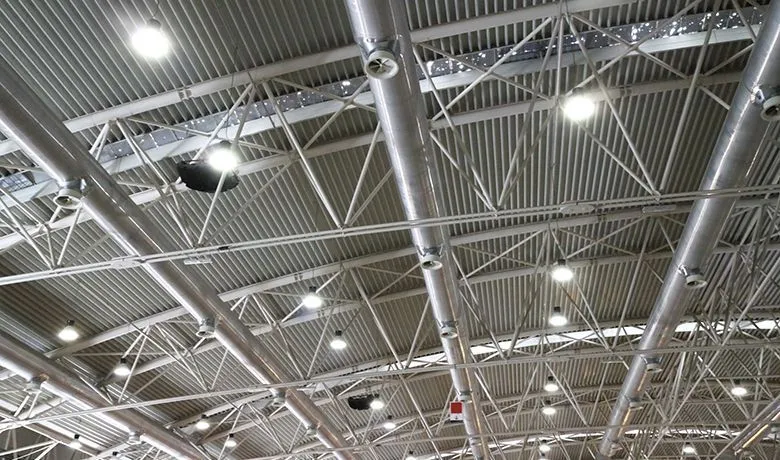
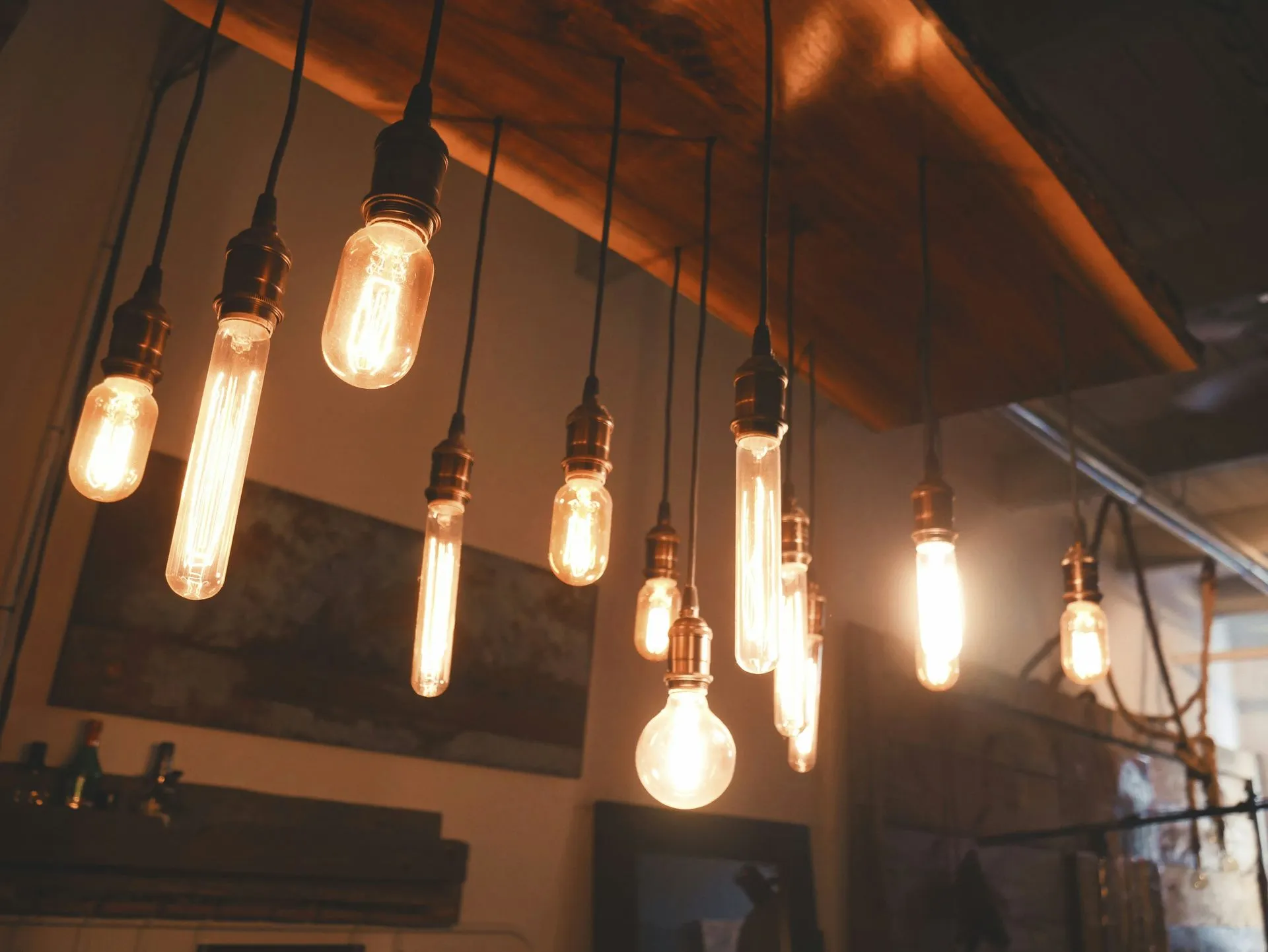
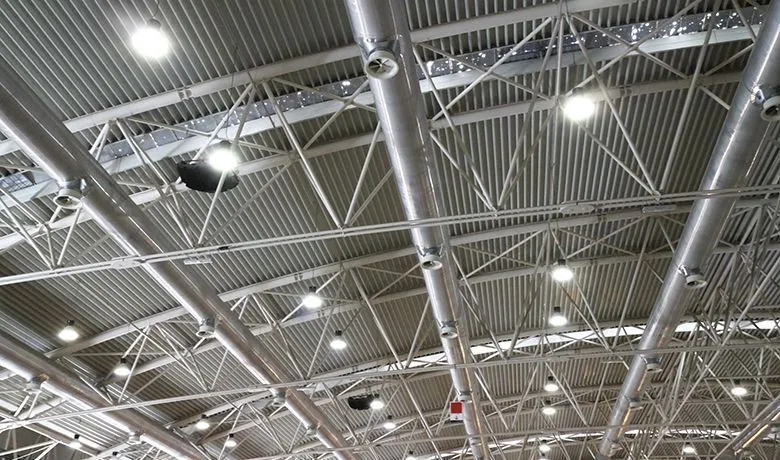
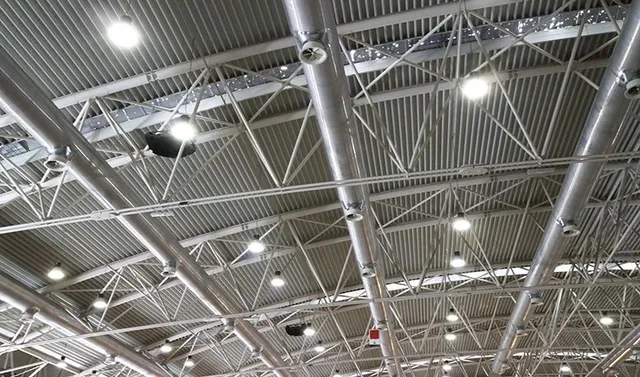
Most commercial facilities in Scotch Plains built during the 1980s and 1990s still run fluorescent tube fixtures or metal halide high-bay lighting. Both technologies waste significant energy as heat, require frequent lamp replacements, and perform poorly in cold environments like warehouses or exterior canopies.
LED replacements for these fixture types typically deliver:
- 40% to 70% reduction in lighting-related electricity consumption
- Lamp lifespans of 50,000 hours or more, eliminating most routine maintenance
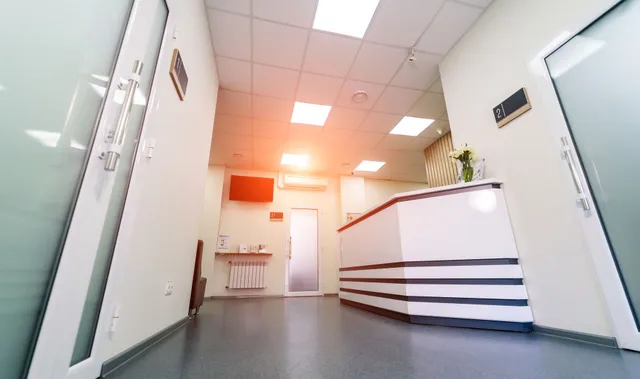
- Improved color rendering, which matters in retail, medical, and food service environments
- Compatibility with occupancy sensors and daylight harvesting controls that push savings even further
For a mid-size office building or retail space running lights 10 to 12 hours per day, the reduction in monthly electric spend alone can be substantial, often enough to recover non-incentivized costs within two to three years even without rebates. With rebates applied, that payback timeline shortens considerably.
The Paperwork Problem Most Businesses Skip
The rebate application process through NJCEP and utility programs is not complicated, but it does require accurate documentation: pre-retrofit fixture counts, wattage baselines, post-installation verification, and contractor certifications.
This is where working with an experienced commercial electrical services contractor becomes a direct financial advantage rather than just a convenience. A contractor familiar with the NJCEP process can conduct a proper energy assessment, prepare the required documentation, and submit the application correctly the first time. Missing a field or submitting incorrect wattage data is one of the most common reasons rebate applications get rejected or reduced.
Beacon Electrical Contracting works with commercial facility managers, retail operators, and medical office administrators throughout the Scotch Plains area to handle the assessment and utility paperwork as part of the project, not as an add-on.
Medical and Healthcare Facilities: Additional Considerations
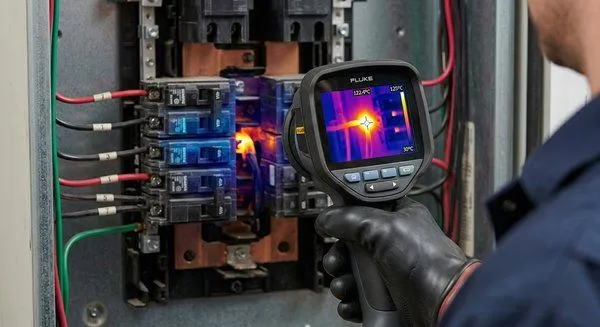
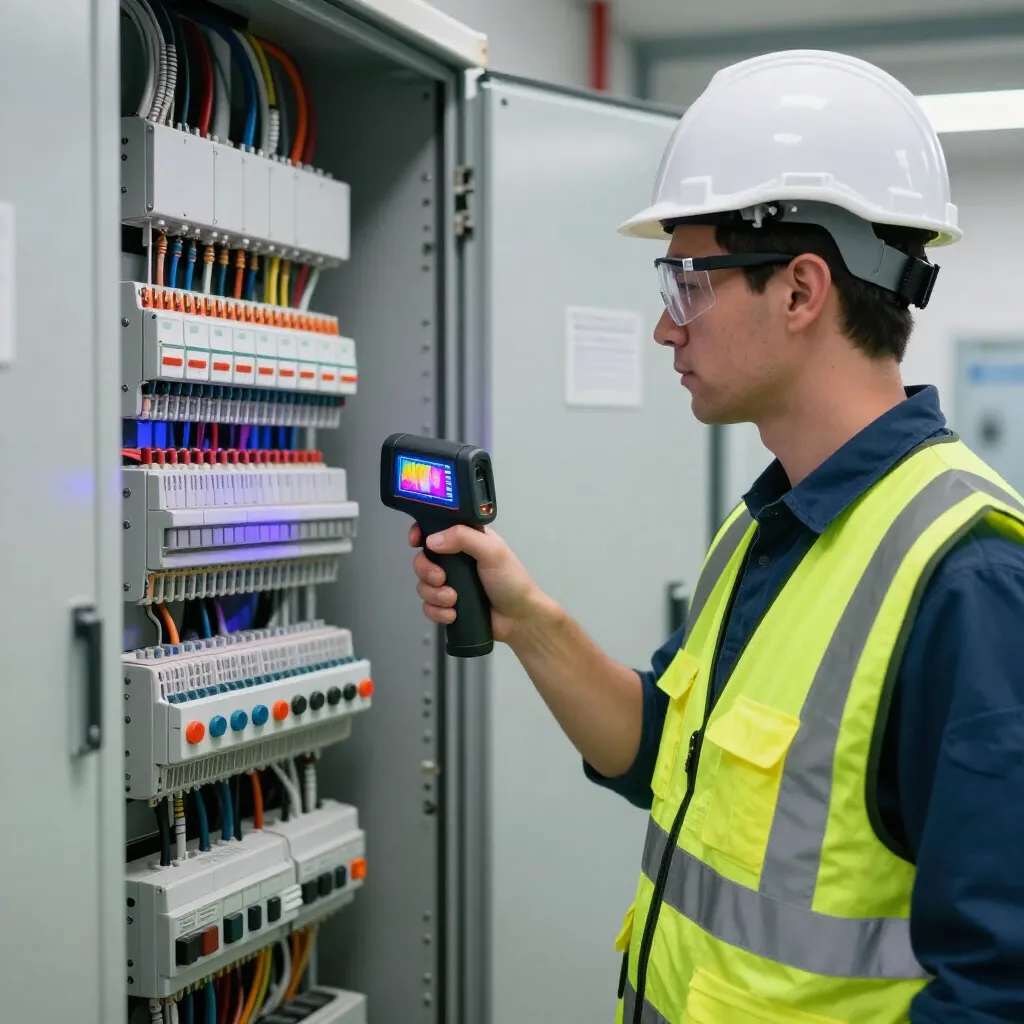
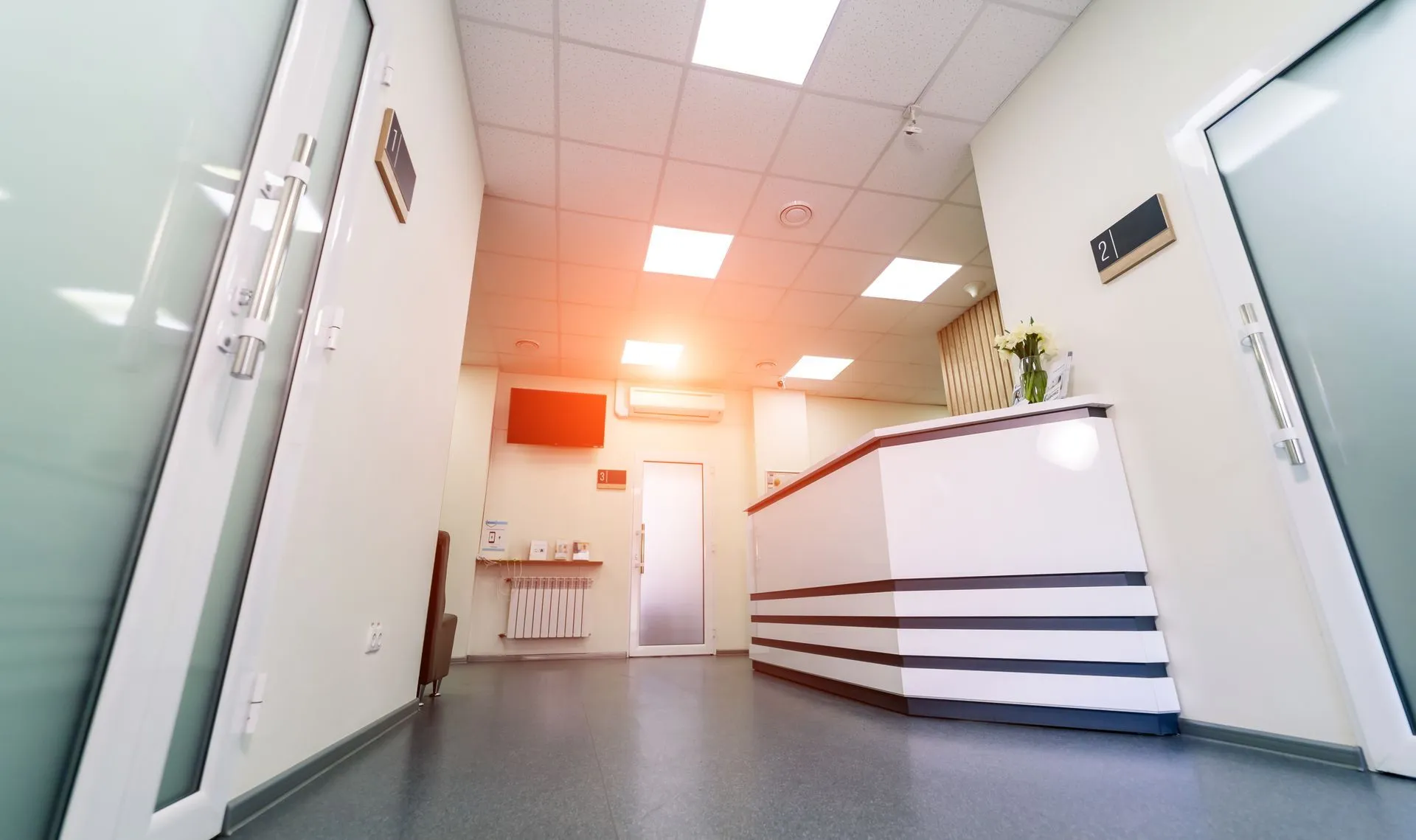
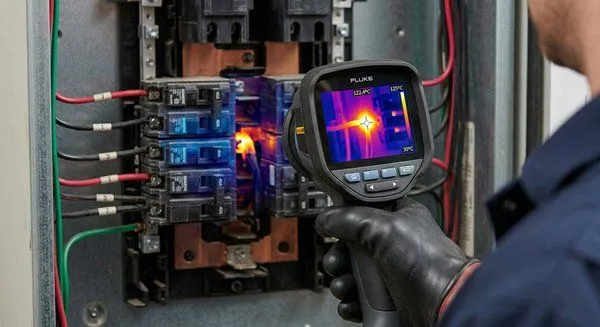
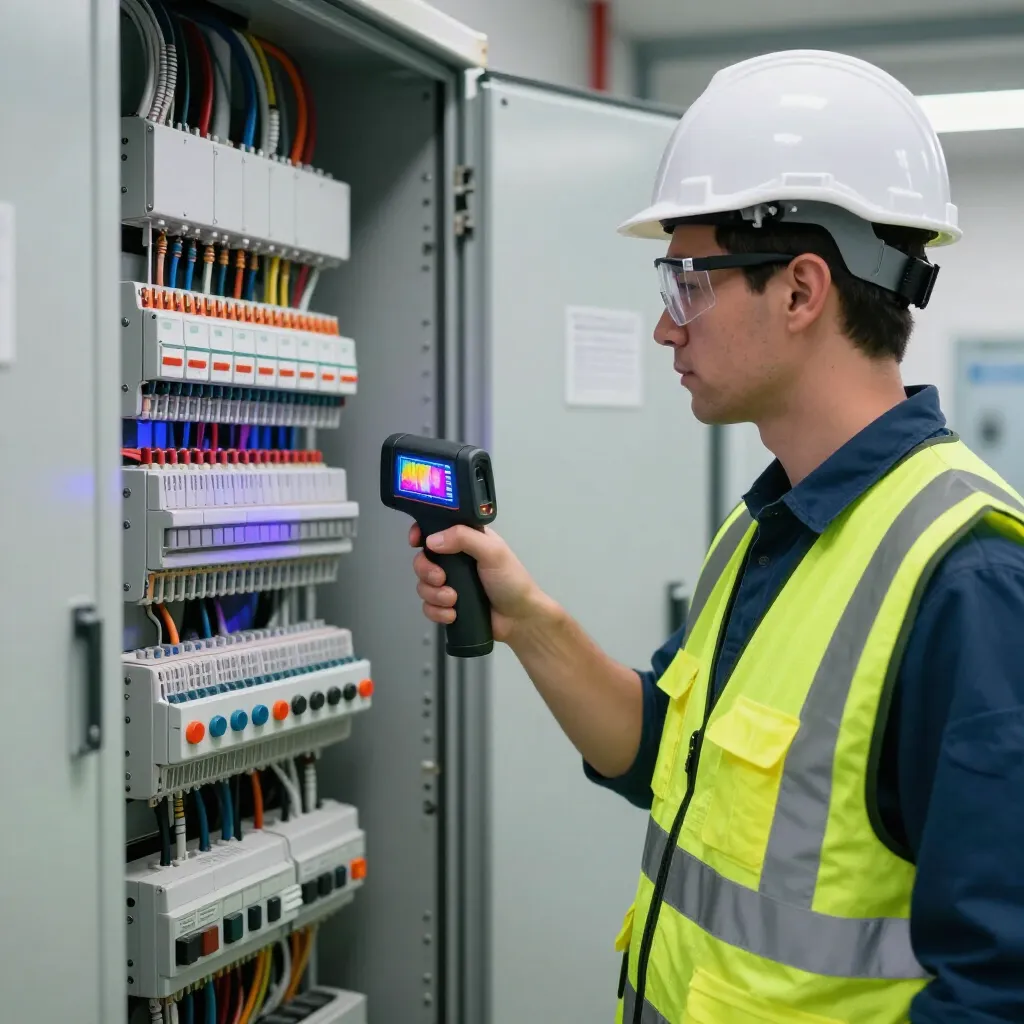
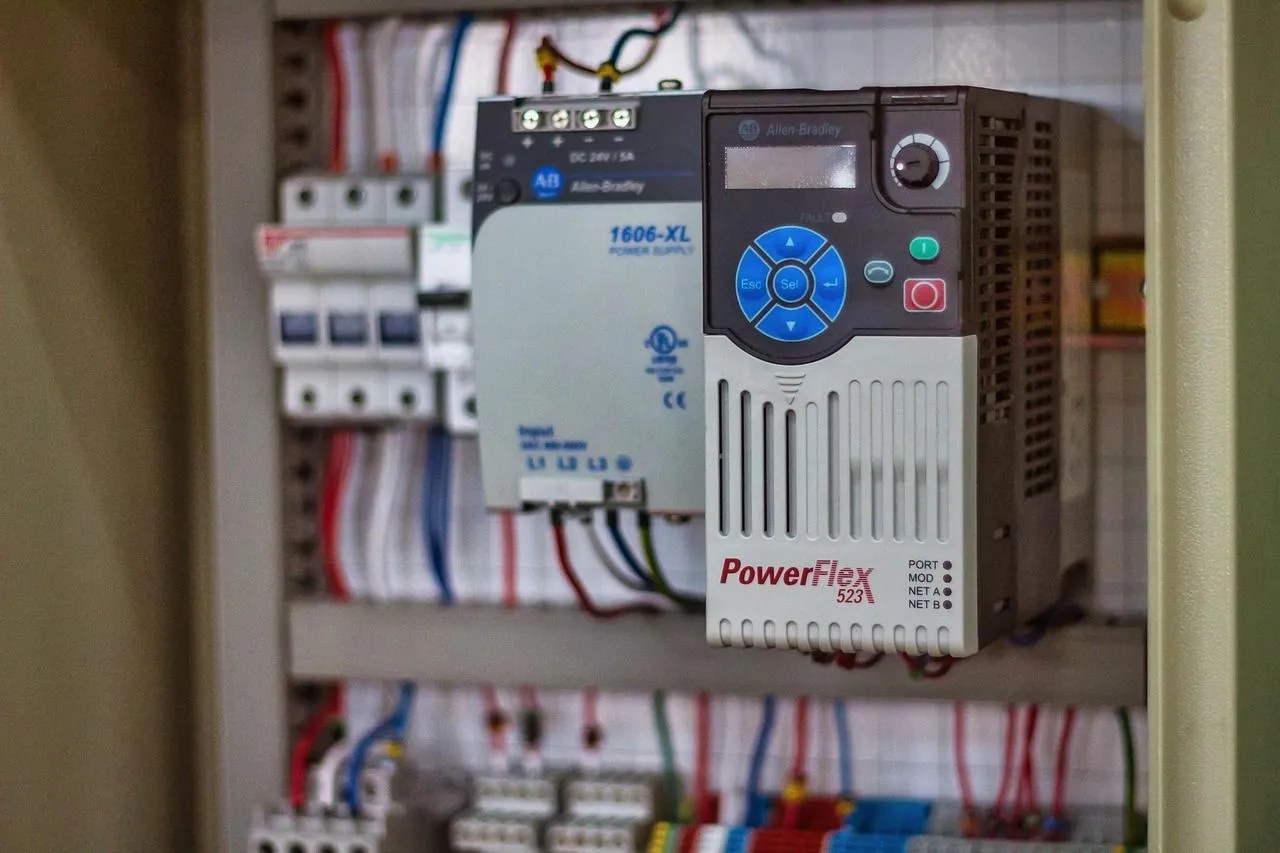
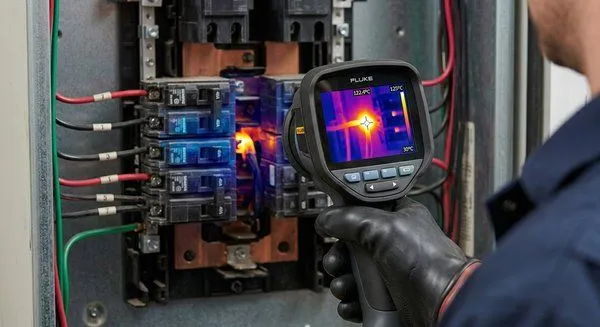
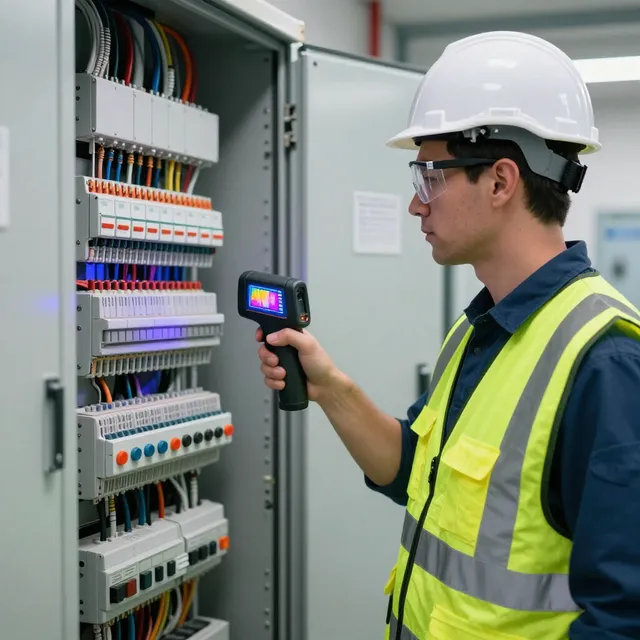
For medical offices and healthcare facilities specifically, lighting upgrades intersect with other compliance requirements. New Jersey has moved toward requiring periodic infrared electrical inspections for certain healthcare environments, and a facility undergoing an LED retrofit is already creating the ideal window to address panel load assessments and wiring condition at the same time. Coordinating both projects reduces labor costs and disruption to patient-facing operations.
When to Move on a Retrofit Project
The practical advice is straightforward: do not wait until a funding cycle resets in hopes that next year's allotment will be more favorable. Historically, early applicants in each program year secure the highest rebate tiers. Facilities that submit in the back half of the fiscal cycle often find that the most generous incentive brackets are already closed.
A few indicators that your facility is a strong candidate for an immediate assessment:
- Your building still has T8 or T12 fluorescent fixtures
- You operate high-bay lighting in warehouse or storage areas
- Your monthly lighting-related electric costs feel disproportionate to your square footage
- You have not had an energy audit in the past five years
Request a Commercial Lighting Assessment
Schedule Your Assessment
FAQ: Commercial LED Retrofits and NJ Rebates
Can my business qualify for rebates if we already replaced some fixtures previously?
Yes, in many cases. Partial retrofits that still include older fluorescent or metal halide fixtures may qualify for rebates on the remaining unreplaced portions. An energy assessment will identify which fixtures are eligible under current NJCEP guidelines.
How long does the rebate application process typically take?
Processing times vary by utility and program cycle, but most standard commercial LED rebate applications are reviewed within 60 to 90 days of submission. Projects should not be delayed waiting for approval, as rebates are paid after verified completion.
Do rebates apply to exterior lighting like parking lots and building facades?
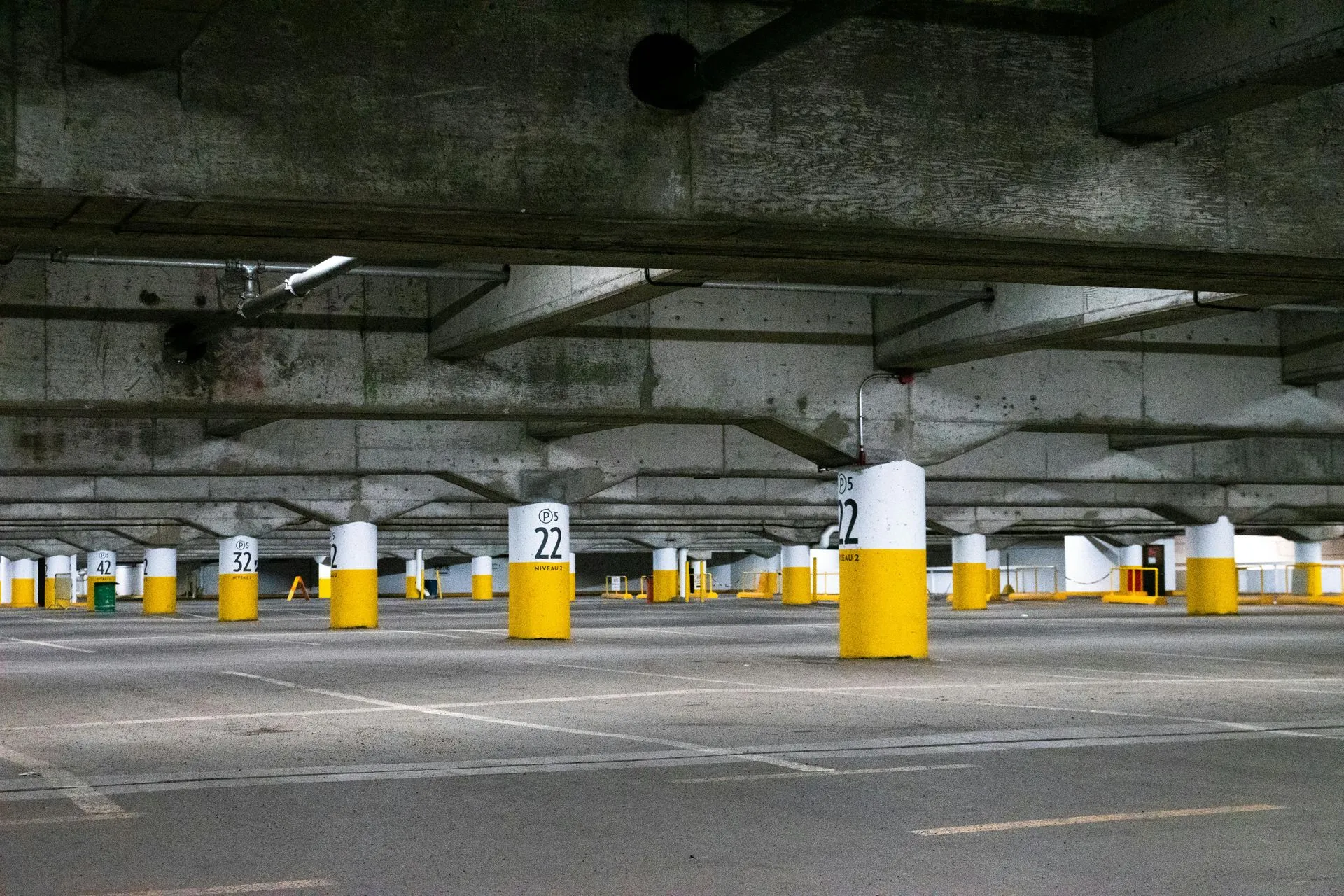
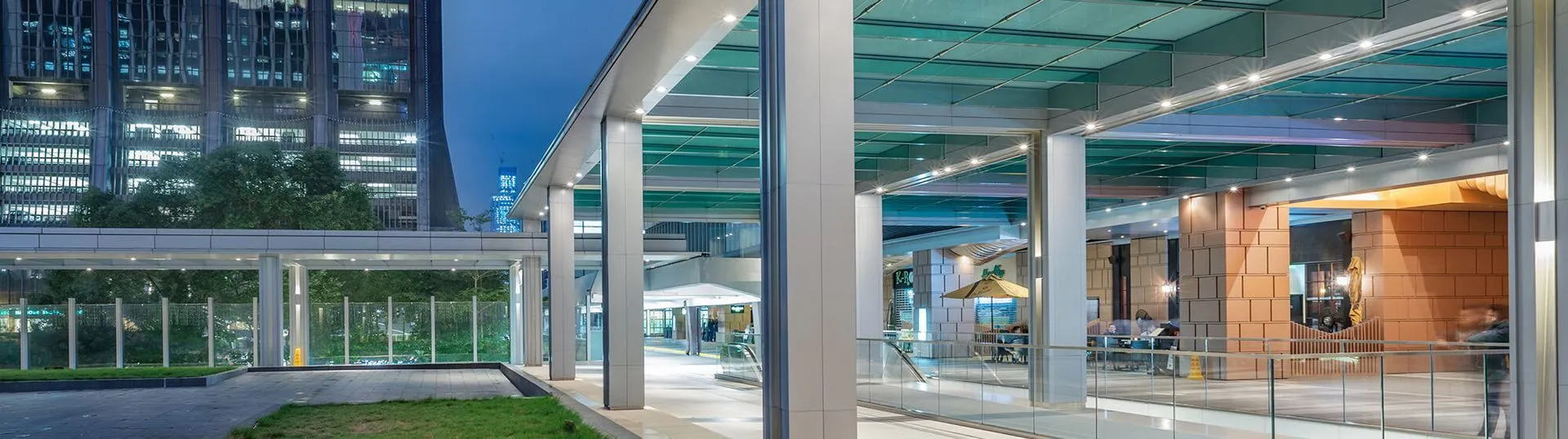
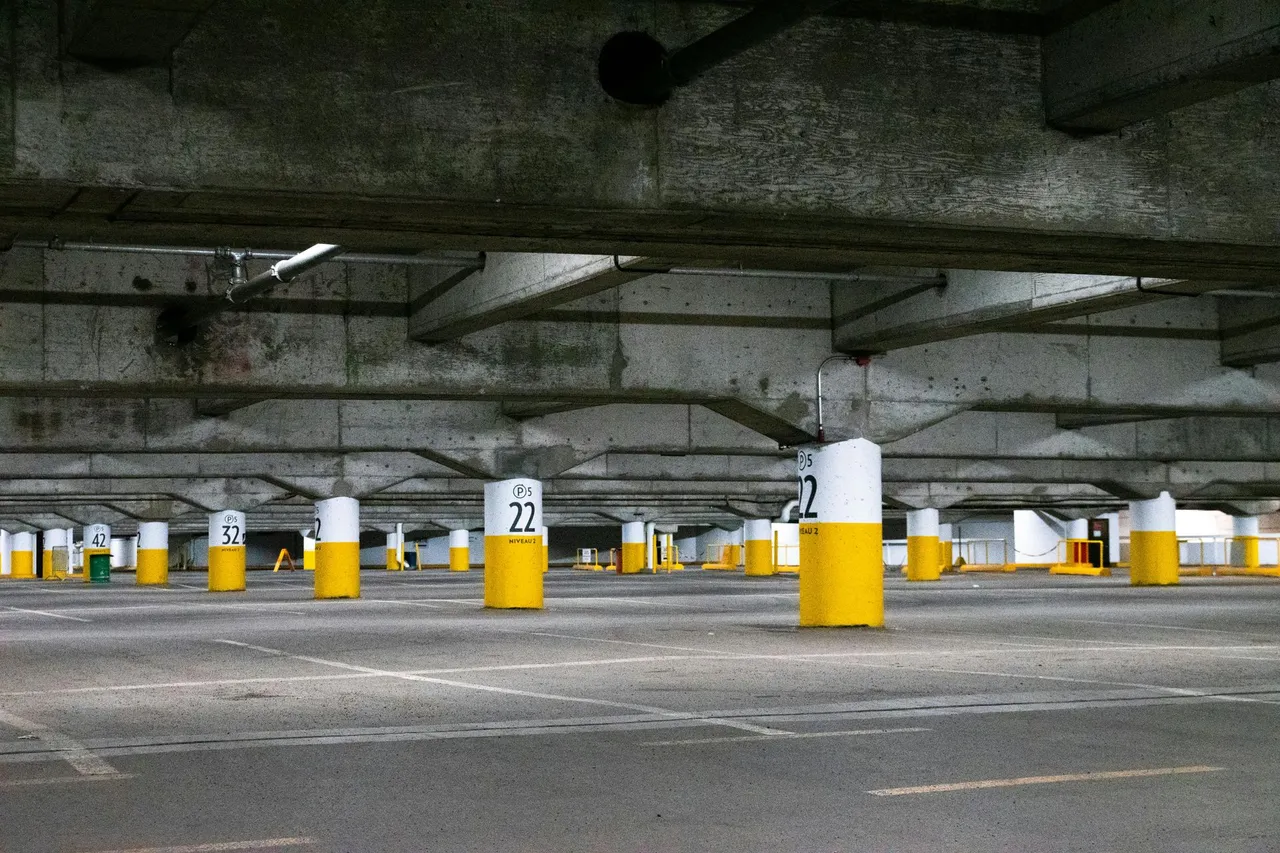
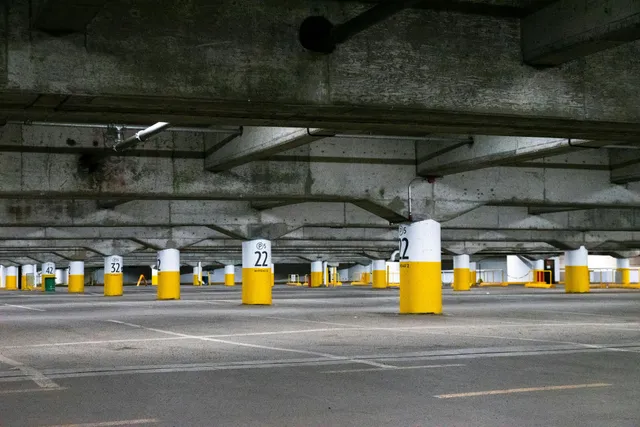
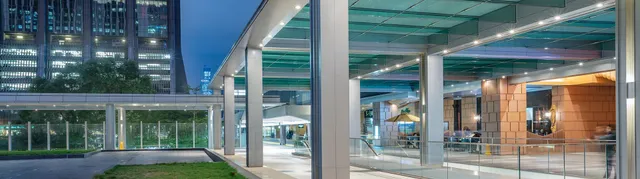
Yes. Exterior lighting upgrades, including parking lot pole fixtures, canopy lights, and wall packs, are typically eligible under NJCEP commercial programs and often deliver some of the strongest rebate values per fixture due to high wattage reductions.
Is a specific contractor required, or can any electrician do the work?
The work must be completed by a qualified contractor, and documentation must accurately reflect the installed equipment. Working with a contractor experienced in NJCEP applications significantly reduces the risk of submission errors that can delay or reduce your rebate.