

Commercial EV Charging Stations: Cost Savings, Installation Process, and Charger Levels Explained
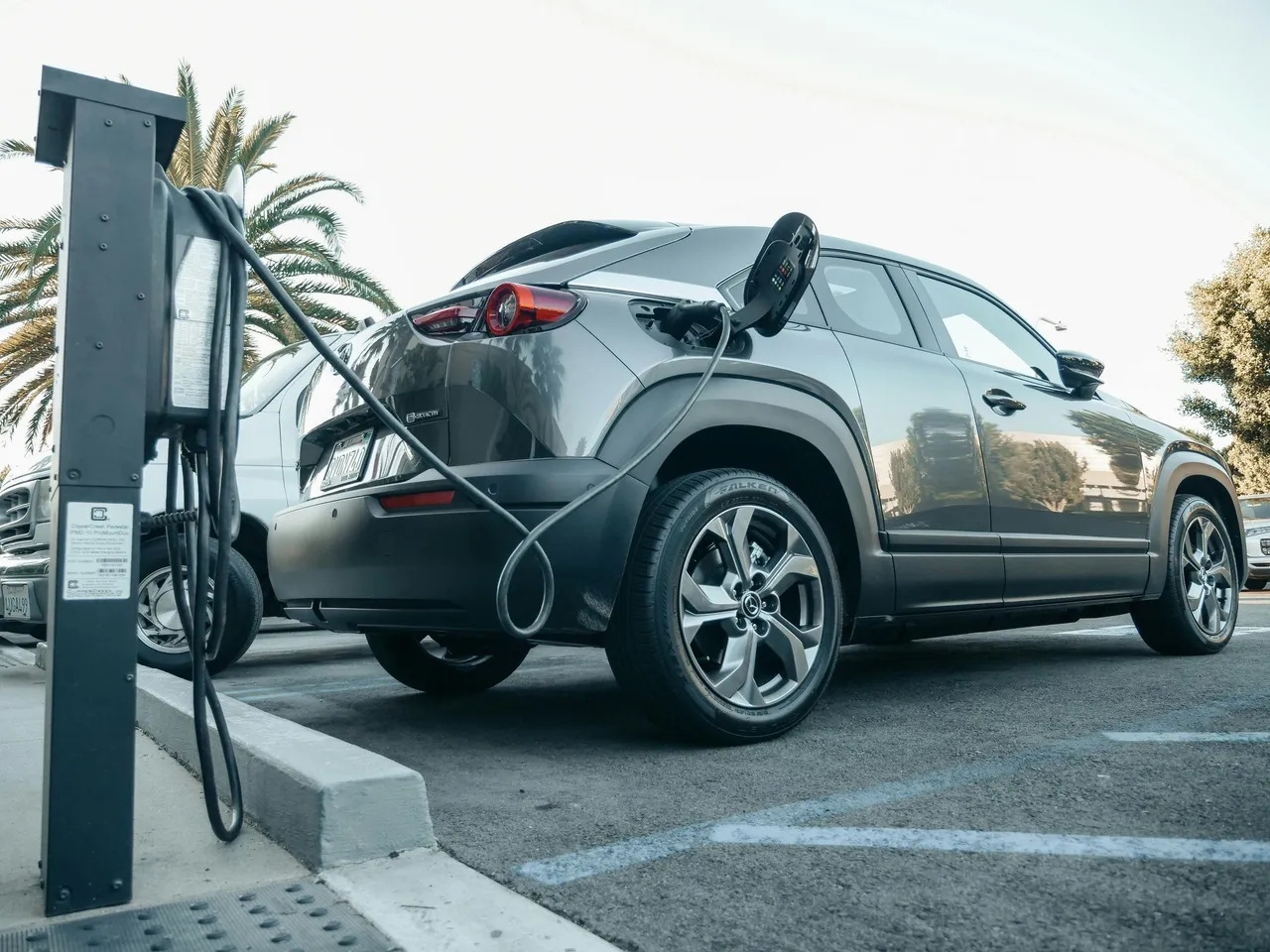
Electric vehicles are becoming a regular part of daily business operations. From corporate fleets to employee vehicles and customer transportation, EV adoption is growing fast. For commercial property owners, facility managers, and business leaders, installing EV charging stations is no longer just an option. It is a strategic move that supports long term savings, modern infrastructure, and future growth.
Commercial EV charging offers real financial advantages while also improving your brand image and property value. If your competitors are installing chargers and you are not, you may already be behind. The good news is that the process is straightforward when handled by experienced professionals. In this guide, we will break down the cost saving benefits, the commercial installation process, and the three EV charger levels so you can make a confident and informed decision.
Let’s explore why commercial EV charging is one of the smartest upgrades businesses can make today.
How Commercial EV Charging Creates Real Cost Savings and Revenue Opportunities
Businesses often assume EV charging is an expensive luxury. In reality, it can reduce operational costs, create new revenue streams, and support long term financial planning. Commercial EV charging is an investment that pays off through both direct and indirect savings.
Here are some of the biggest financial benefits for commercial facilities:
- Reduced fuel costs for company fleets: Electric fleet vehicles cost far less to operate than gas or diesel vehicles. Charging on site eliminates fluctuating fuel costs and supports predictable budgeting.
- Lower maintenance expenses: EVs require less mechanical maintenance. Fewer oil changes, fewer moving parts, and fewer repairs mean long term savings.
- Tax incentives and rebates: Federal and state programs often provide significant incentives for commercial EV infrastructure. These incentives can reduce upfront costs and improve return on investment.
- New income opportunities: Businesses can charge customers, tenants, or visitors for EV charging. This turns your parking area into a profit generating asset.
- Increased customer dwell time: When customers charge their vehicles, they stay longer. Longer visits often lead to increased spending.
- Higher property value and tenant appeal: Modern infrastructure attracts premium tenants and boosts leasing potential.
Think of EV charging like installing high speed internet or security systems. It quickly becomes an expected feature that gives your property a competitive advantage.
The Commercial EV Charger Installation Process Step by Step
Many businesses worry that installing EV charging stations will disrupt operations. In reality, professional installation is organized, efficient, and designed to minimize downtime. A qualified electrical contractor ensures the project runs smoothly from start to finish.
Here is what the process typically includes:
- Consultation and facility assessment: The first step is understanding your property’s energy capacity, parking layout, traffic patterns, and future expansion goals. This helps determine the best charging solution.
- System design and scalability planning: A customized plan is created based on current demand and future growth. This ensures your system can expand as EV adoption increases.
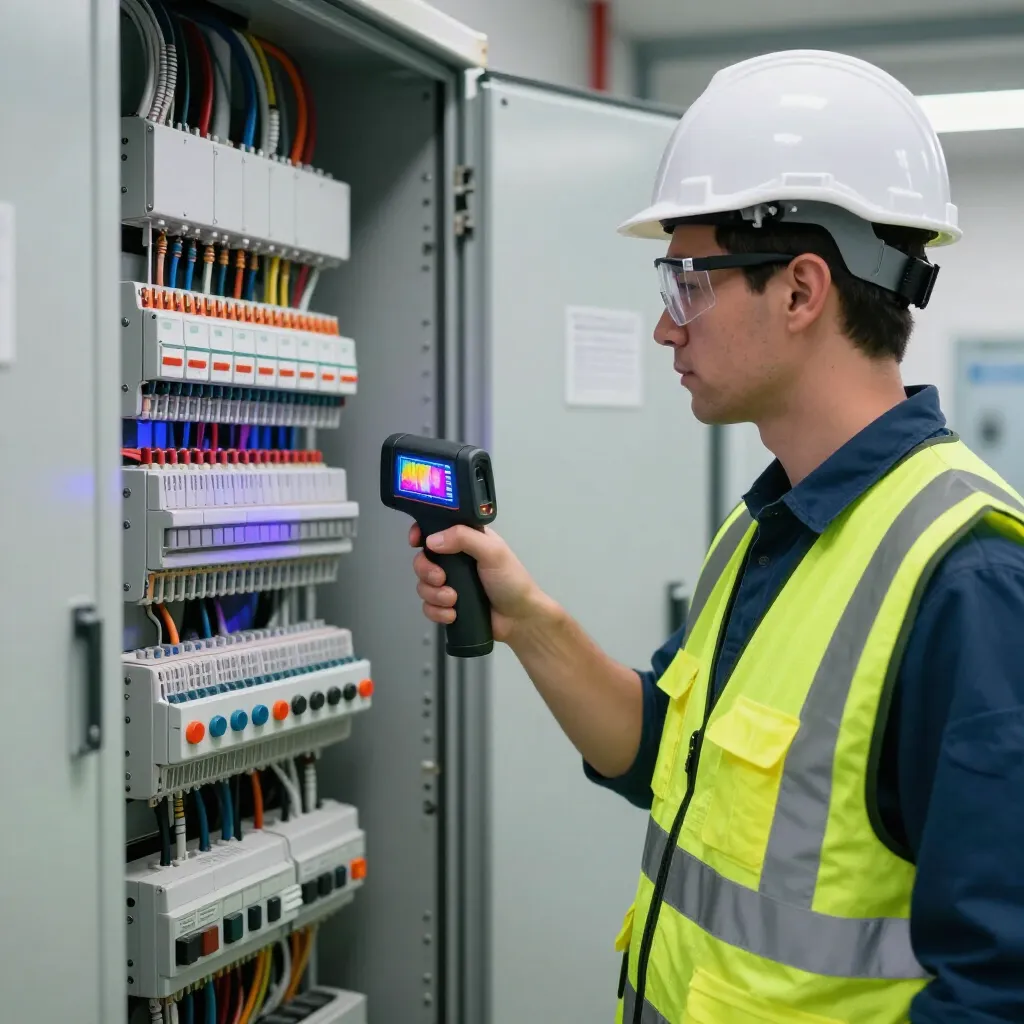
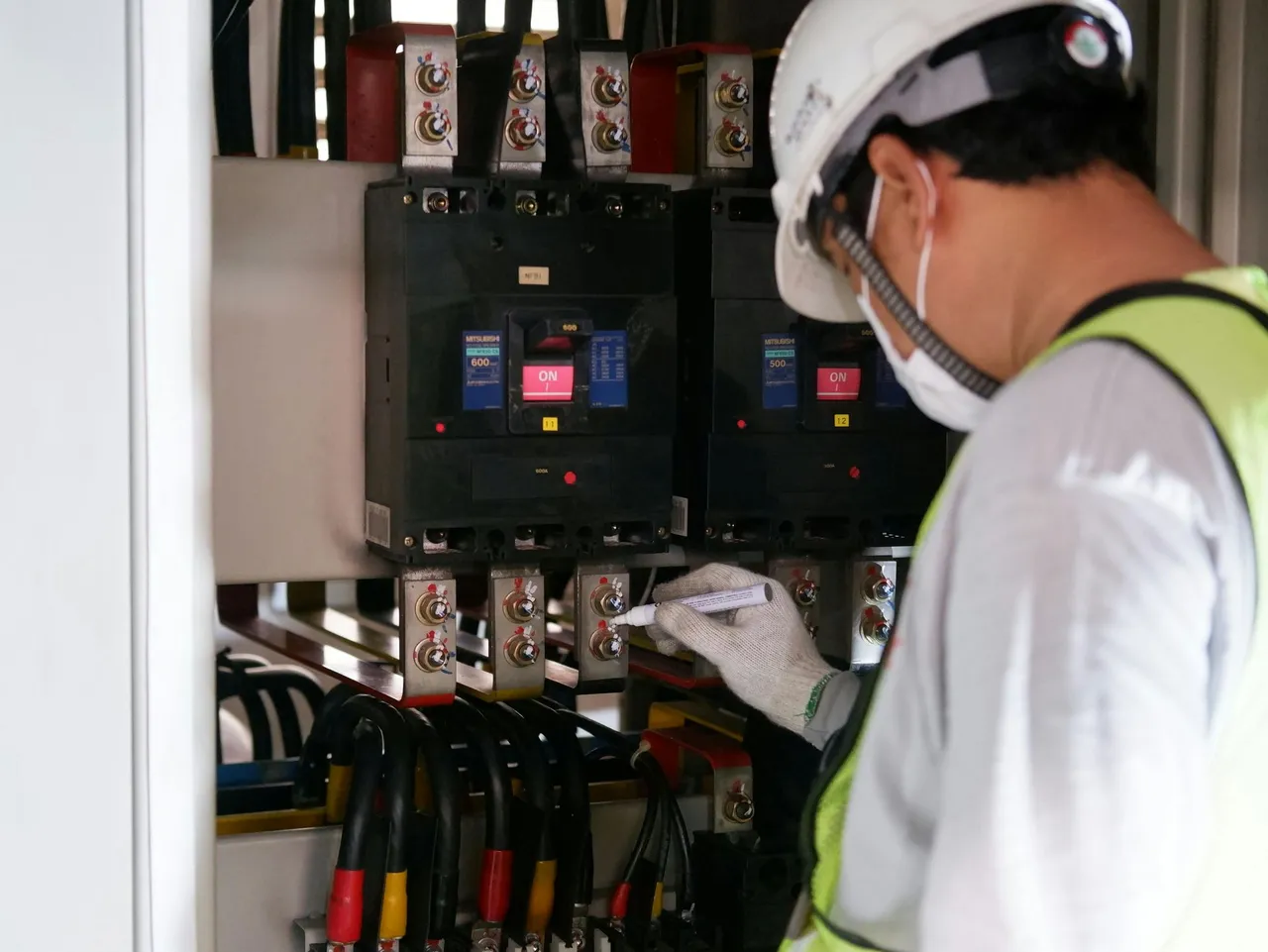
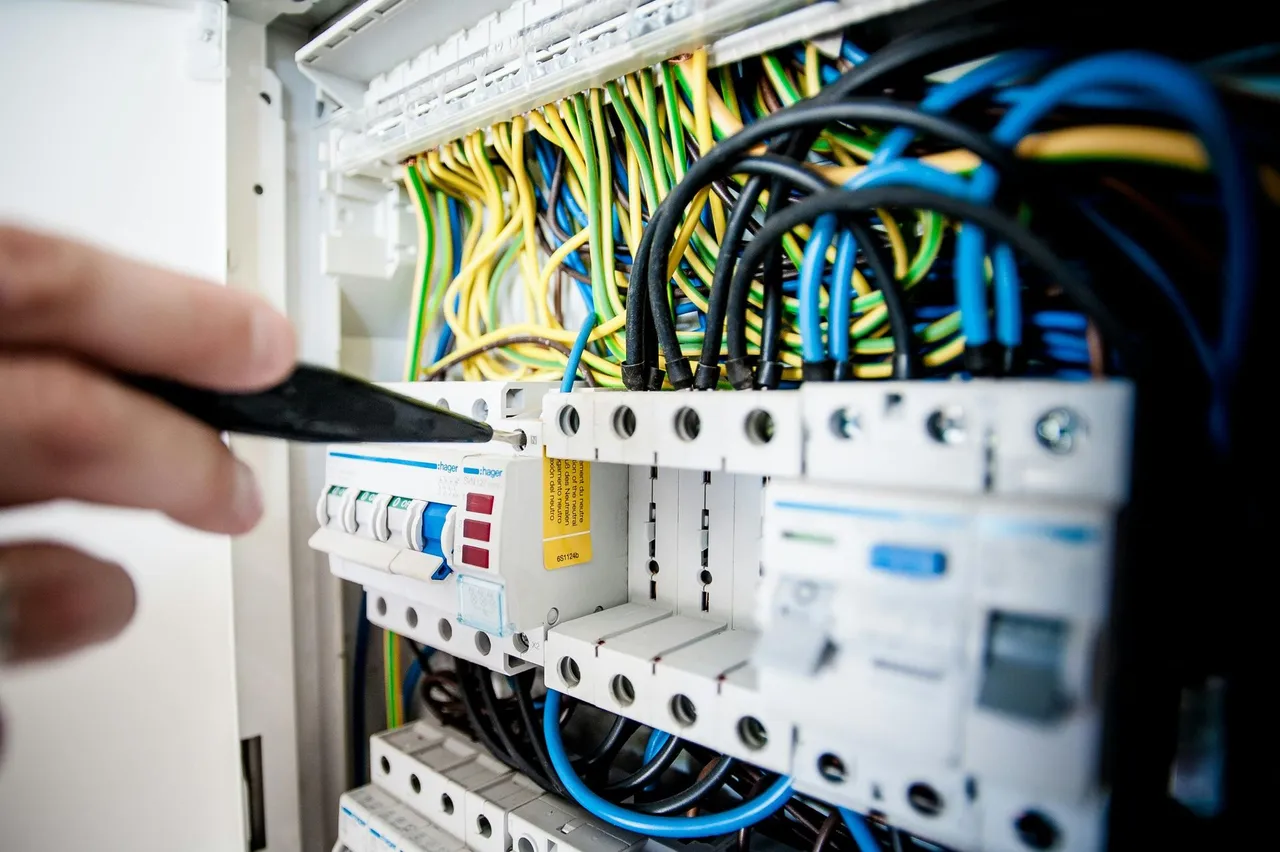
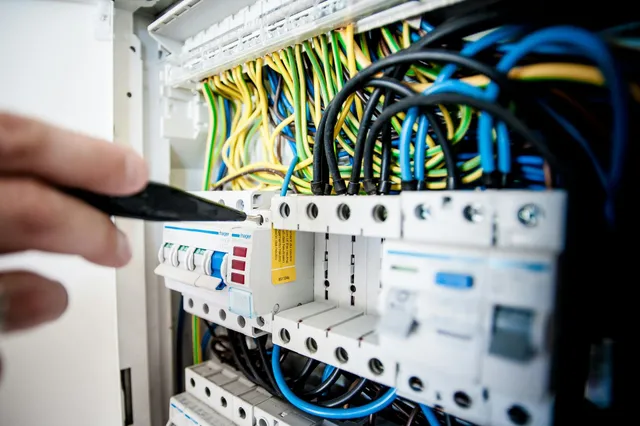
- Electrical infrastructure upgrades: Some facilities may need panel upgrades, transformers, or wiring improvements to support additional load. This step is critical for safety and performance.
- Permits and compliance: Commercial projects must meet local electrical codes, ADA requirements, and safety standards. Professional contractors handle the entire permitting process.
- Installation and testing: Chargers are installed, connected, and tested to ensure reliability and proper operation.
- Training and long term support: Businesses receive guidance on system management, usage monitoring, and maintenance planning.
- The right contractor ensures your installation is not just functional today but prepared for the future. This forward thinking approach protects your investment.
Understanding the Three Levels of Commercial EV Chargers
Not all commercial properties have the same charging needs. The right solution depends on vehicle type, parking duration, and daily usage. Understanding the three charger levels helps businesses choose the most efficient and cost effective option.
Level 1 Chargers
Level 1 chargers use standard outlets. These are rarely used in commercial settings due to slow charging speeds.
Best suited for:
- Low demand commercial locations
- Temporary or backup charging
Advantages:
- Minimal installation requirements
- Lowest upfront cost
Limitations:
- Slow charging
- Not practical for most commercial operations
For businesses, Level 1 charging is more of a short term solution rather than a long term strategy.
Level 2 Chargers
Level 2 chargers are the most common commercial option. They provide reliable and efficient charging for workplaces, retail centers, healthcare facilities, and commercial parking lots.
Best suited for:
- Office buildings and employee parking
- Healthcare and commercial campuses
- Retail and hospitality locations
- Multi tenant commercial properties
Advantages:
- Faster charging speeds
- Cost effective and scalable
- Supports daily employee and customer charging
- Improves tenant and customer experience
Level 2 chargers are often the foundation of most commercial EV charging strategies. They balance performance, cost, and flexibility.
Level 3 Chargers
Level 3 chargers, also known as DC fast chargers, deliver rapid charging for high demand locations.
Best suited for:
- Fleet operations
- Distribution centers
- High traffic commercial sites
- Public charging hubs
Advantages:
- Extremely fast charging
- Supports heavy usage
- Attracts high traffic and repeat visits
Considerations:
- Higher upfront investment
- Requires significant electrical capacity
- Ideal for businesses with strong charging demand
Level 3 chargers provide the fastest results and can become a major asset for businesses that rely on quick turnaround.
Long Term Benefits of Commercial EV Charging Infrastructure
Beyond cost savings, EV charging positions your business for future success. Early adopters gain a competitive edge and attract customers, employees, and tenants who value modern and sustainable solutions.
Some long term benefits include:
- Stronger brand reputation: Sustainability initiatives build trust and attract environmentally conscious clients.
- Improved employee recruitment and retention: Charging access is a valuable workplace benefit.
- Increased customer loyalty: Convenience encourages repeat visits.
- Energy efficiency and sustainability goals: Pairing EV charging with solar systems creates long term savings.
- Future readiness: As EV adoption increases, infrastructure becomes essential rather than optional.
Investing in commercial EV charging today is a proactive step toward operational efficiency and long term growth.
Call Beacon Electrical Contracting for Commercial EV Charging Installation in Scotch Plains NJ
If your business is ready to reduce costs, attract customers, and prepare for the future, Beacon Electrical Contracting can help. We specialize in commercial EV car charging installation in Scotch Plains NJ and the surrounding areas. Our team designs and installs scalable systems that support your current needs while preparing your facility for long term growth.
Call us today at
908-789-2345 to schedule your consultation. We also provide professional
LED lighting upgrades and
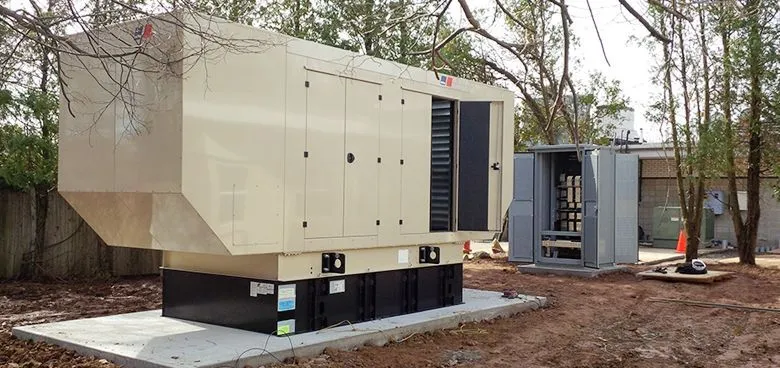
generator services to help businesses improve efficiency and reduce operating costs. Let us help you create a smarter, more sustainable, and future ready commercial property.
Frequently Asked Questions
How long does commercial EV charger installation take?
Most projects take a few days to several weeks depending on electrical upgrades and site size.
Can businesses generate revenue from EV charging?
Yes. Many commercial facilities charge users or include fees in tenant agreements.
Are incentives available for commercial EV chargers?
Yes. Many federal and state programs provide tax credits and rebates.
What charger level is best for most businesses?
Level 2 chargers are typically the most cost effective and flexible.
Can EV charging be combined with solar power?
Yes. Solar systems can reduce operating costs and increase sustainability.